
The short answer
Facebook ads work for bathroom remodelers when five pieces fit together: a specific offer instead of “free estimate,” video of your own finished bathrooms, a lead form that screens for owners, budget and timeline, a setter who calls every lead within minutes, and tracking that follows each lead to the closed job. Skip one and the ads look like they don’t work.
Why do Facebook and Instagram ads fit bathroom remodeling?
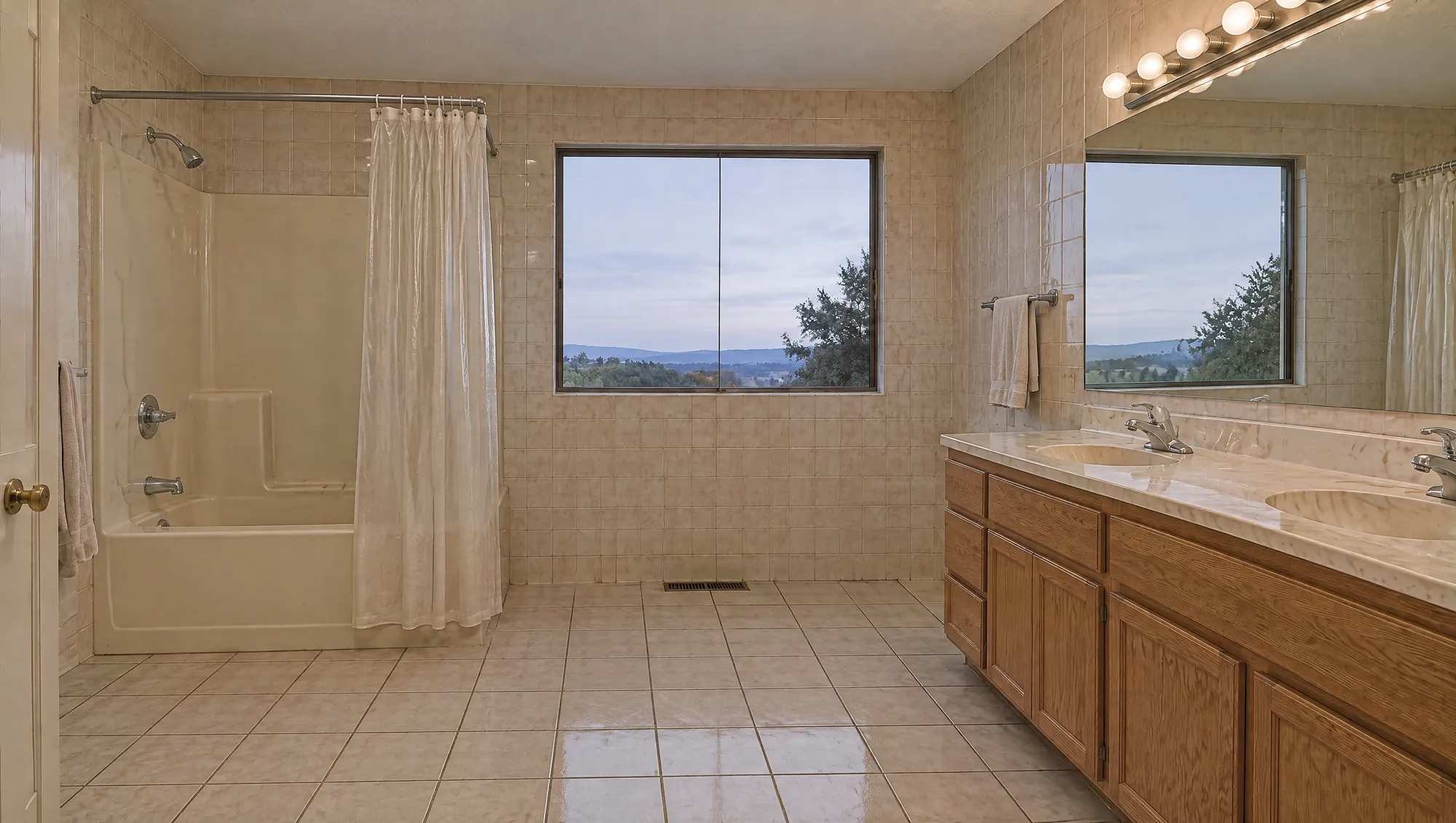
Facebook and Instagram reach homeowners before they start searching, which suits a project people think about for months. Most homeowners don’t wake up and decide to gut their primary bath. They live with the beige tile and the fiberglass tub-shower for a long time, save ideas, and talk about it. Meta ads put your work in front of them during that stretch.
Google search ads catch the homeowner who is ready to hire today, and you bid against every contractor in your market for that click. Meta ads catch the homeowner earlier, with video, before they’ve made a shortlist. That’s an advantage only if your ad shows something worth stopping for, which is why the offer and the creative matter more here than the targeting.
Bathroom projects that tend to work well on Meta:
- Tub-to-shower conversions. A clear before and after, a defined scope and often a specific reason to do it now.
- Walk-in and curbless showers. Easy to show, and often driven by safety or aging in place.
- Wet rooms. Hard to picture until someone sees one on video.
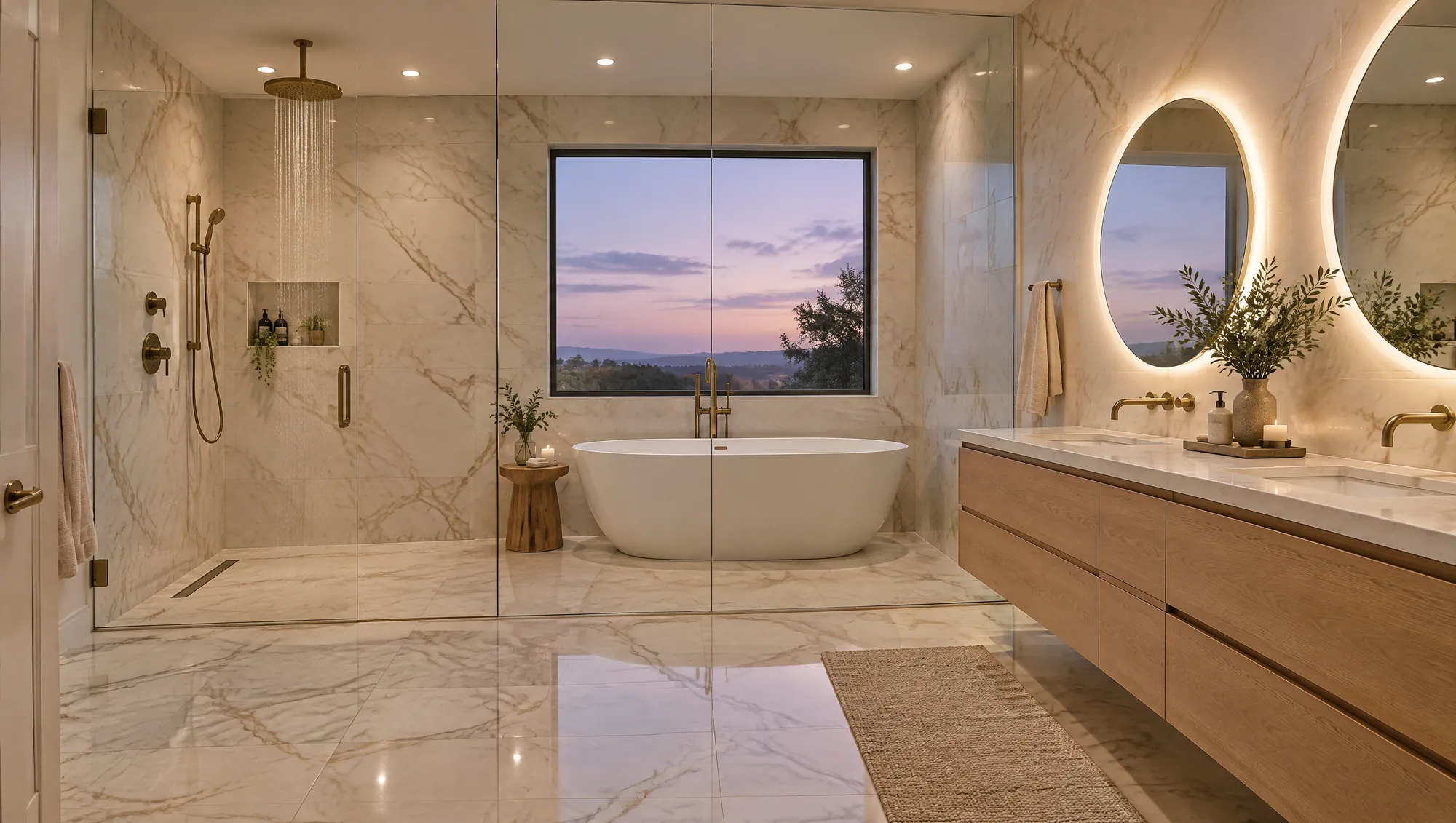
- Full primary bath remodels. The bigger ticket, sold on craftsmanship and the finished reveal.
What do you need set up before the first ad runs?
Before you spend a dollar, the account has to send good data back to Meta. Without it, Meta optimizes for whoever fills in forms cheaply, not for homeowners who book and show.
- Business Manager and ad account. Owned by your business, with your payment method. Ad spend is paid to Meta directly.
- Meta Pixel on your site and landing pages. So Meta can see page views and form submissions.
- Conversions API. A server-side connection that sends events from your CRM, like a booked appointment or a qualified lead, back to Meta. This is how the ads learn which leads actually turn into demos.
- Event plan. Decide which events matter: lead, qualified lead, booked appointment, showed. Send them in that order of importance.
- Special ad category check. Meta restricts targeting for some ad categories, including housing. Check in Ads Manager whether your campaigns need to be declared, before you launch, so ads don’t get rejected mid-test.
What should a bathroom remodeling ad offer?
Lead with a specific, believable offer built around your real process, not “free estimate.” Every contractor in your market already offers a free estimate, so it gives the homeowner no reason to pick you or to act this month.
A strong offer names the project, a starting price, what’s included, your warranty and a real reason to book now. For example:
The offer should come from your actual process and pricing, so your sales team can deliver it at the kitchen table. Nothing should go live until you’ve approved it. We cover how to build one in bathroom remodeling offers that book appointments.
What creative works for bathroom remodelers?
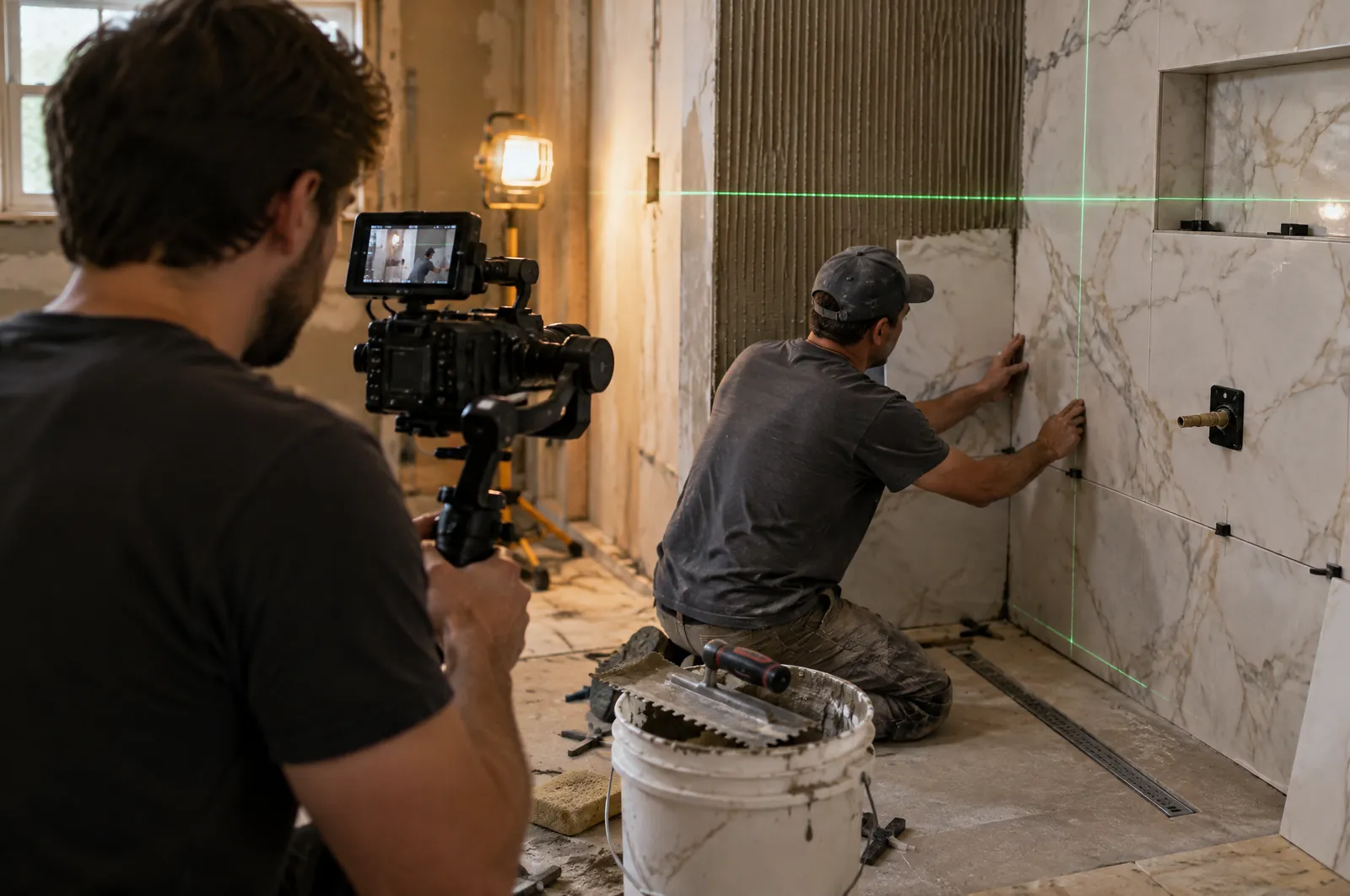
Real footage of your crews and finished bathrooms beats stock every time. Homeowners are letting someone into the most personal room in the house, so seeing your installers working carefully in a real home does a lot of the selling.
You don’t need every format on day one. Here’s how the common ad types compare:
| Format | What it is | When it fits |
|---|---|---|
| Static and collage ads | Designed images, before-and-after pairs, offer graphics | Launch day, and for testing offers and headlines quickly |
| B-roll video | Project and crew footage cut into short ads | Showing craftsmanship: tile setting, a niche, a linear drain |
| UGC-style video | Creator-style video with your offer on screen | Testing hooks and offers without a full production |
| Custom scripted ads | Scripted, edited ads built from your own footage | Once you know which angles and offers work |
Each ad needs a hook in the first second or two: the reveal, water running to a drain, a crew member pulling out an old tub. Keep a hook bank, a running list of opening lines and shots, so you can write new variations without starting from zero. Our guide to what to film on one shoot day lists the shots that cut into the most ads.
How should you set up the lead form and targeting?
Use the lead form to qualify, and keep targeting broad around your service area. Meta’s delivery is good at finding people; it’s your form and your offer that decide which ones are worth a sales visit.
The lead form
Ask a few qualifying questions that screen for ownership, budget and timeline. Do you own the home? What range are you planning to invest? When do you want the work done? Each extra question lowers volume and raises quality, so match the form to how many demos your team can run. Example wording is in lead form qualifying questions for bathroom remodelers.
Targeting
Draw the campaign around the ZIP codes or radius you actually serve, and leave the audience otherwise open unless you have a clear reason to narrow it. Let the creative do the filtering: an ad about a curbless walk-in shower for aging in place will attract different homeowners than an ad about a spa-style primary bath.
Why does follow-up decide whether the ads work?
A Facebook lead is a homeowner who was interested for a moment, so the speed and quality of the first call decides whether it becomes a demo. Many remodelers judge their ads on leads that nobody called for a day.
A follow-up flow that holds up:
- A first touch by text or call within minutes of the form.
- A setter calls, confirms the project and qualifies by phone.
- The homeowner is booked on your calendar for a demo.
- Reminders and confirmations go out before the appointment.
- Leads who don’t answer get worked again over the next days, not dropped.
Whether you hire setters or outsource, the rule is the same: someone owns every lead. See speed to lead for remodelers for the cadence and a short script.
How do you judge whether the ads are working?
Judge Facebook ads on cost per booked appointment and on jobs closed, over a few days of data, never on one day. A single day of Meta data swings too much to make decisions on.
Track these from click to closed job:
- cost per lead and cost per booked appointment,
- booked, showed and closed rates,
- lead quality notes from your sales team.
Make changes on a 3-day data window and write every decision down, so you know what you changed and why when the numbers move. We lay out the full method in how to test Meta ads for a remodeling company.
For our top remodeling clients, this setup produced $736K in won jobs over three months (68 jobs) from 5,662 leads at an average cost per lead of $8.26, per Meta Ads Manager. Those are top-client results, not typical ones; your results depend on your market, your offer and your sales process.
What are the most common mistakes?
Most failed Facebook campaigns for remodelers break in the same few places:
- Running “free estimate” as the offer. It gives no reason to choose you.
- Stock photos. They look like every other ad and say nothing about your work.
- No Conversions API. Meta optimizes for cheap form fills instead of booked appointments.
- Slow or no follow-up. Leads that sit for a day rarely book.
- Killing ads after one bad day. Or scaling after one good one.
- Judging on cost per lead alone. A cheap lead that never shows costs more than an expensive one that signs.
If you want the whole system built and run for you, from offer to booked demo, that’s how YardScale works.
Key takeaways
- Meta ads reach homeowners during the months they’re planning a bathroom, before they search.
- Set up the Pixel and Conversions API so the ads learn from booked appointments, not form fills.
- Lead with a specific offer and real footage of your own bathrooms.
- Qualify on the lead form and call every lead within minutes.
- Judge ads on cost per booked appointment over a 3-day window, never one day.