The short answer
On one shoot day, film four things: an owner intro, a walk-through of a finished bathroom, a before-and-after reveal shot from the same angle, and close-up B-roll of the craftsmanship, like tile setting and a linear drain. Then cut that footage into many short ads and hooks for Reels and Stories, so one day feeds weeks of testing.
Why does video sell bathroom remodels?
Video shows homeowners the finished result and the people who would be in their home, which a photo or a price list can’t do. For a bathroom, both matter more than in most rooms.
- Wet rooms and curbless showers are hard to picture. Most homeowners have never stood in one. A few seconds of water running to a linear drain explains it faster than any brochure.
- It’s a personal space. Homeowners want to see clean, careful work in a real home before they let anyone into their bathroom.
- Many projects start with a specific need. Walk-in showers and tub-to-shower conversions often come from planning for safety or aging in place. Seeing a finished one answers “will it look institutional?” before they ask.
Real footage of your crews and finished projects beats stock every time, because stock says nothing about your work.
What should you plan before the shoot?
Plan the shoot around the offer you’re running and the season you’re in, not around whatever job happens to be on the schedule. The footage has to sell a specific project to a specific homeowner.
- Pick the offer. If the campaign is a tub-to-shower conversion offer, you need a tub-to-shower job, not a full primary bath. See bathroom remodeling offers that book appointments.
- Pick the jobs. Ideally one active job for craftsmanship shots and one finished job for the reveal and walk-through.
- Get the homeowner’s permission. In writing, for filming in their home and using the footage in ads.
- Write a shot list. Every shot below, with who needs to be there and when.
- Draft the hooks. Pull five to ten opening lines from your hook bank so the crew knows which moments to capture.
A content plan by season and offer keeps this from being a one-off. Spring might be a primary bath push, while late fall might lean on getting a walk-in shower done before family visits. Plan shoots to match.
What should be on the shot list?
A bathroom shoot day should come back with these shots, each covered from more than one angle:
| Shot | What to capture | What it becomes |
|---|---|---|
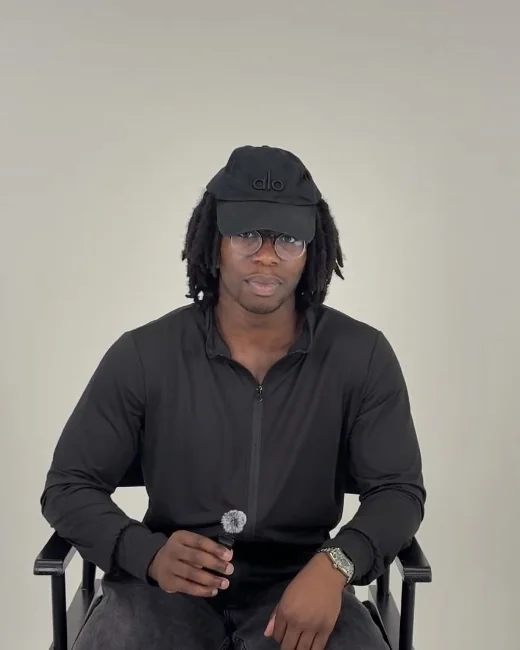
| Owner intro | You on site, 20–40 seconds on who you are and how you work | Trust ads, retargeting, the top of longer ads |
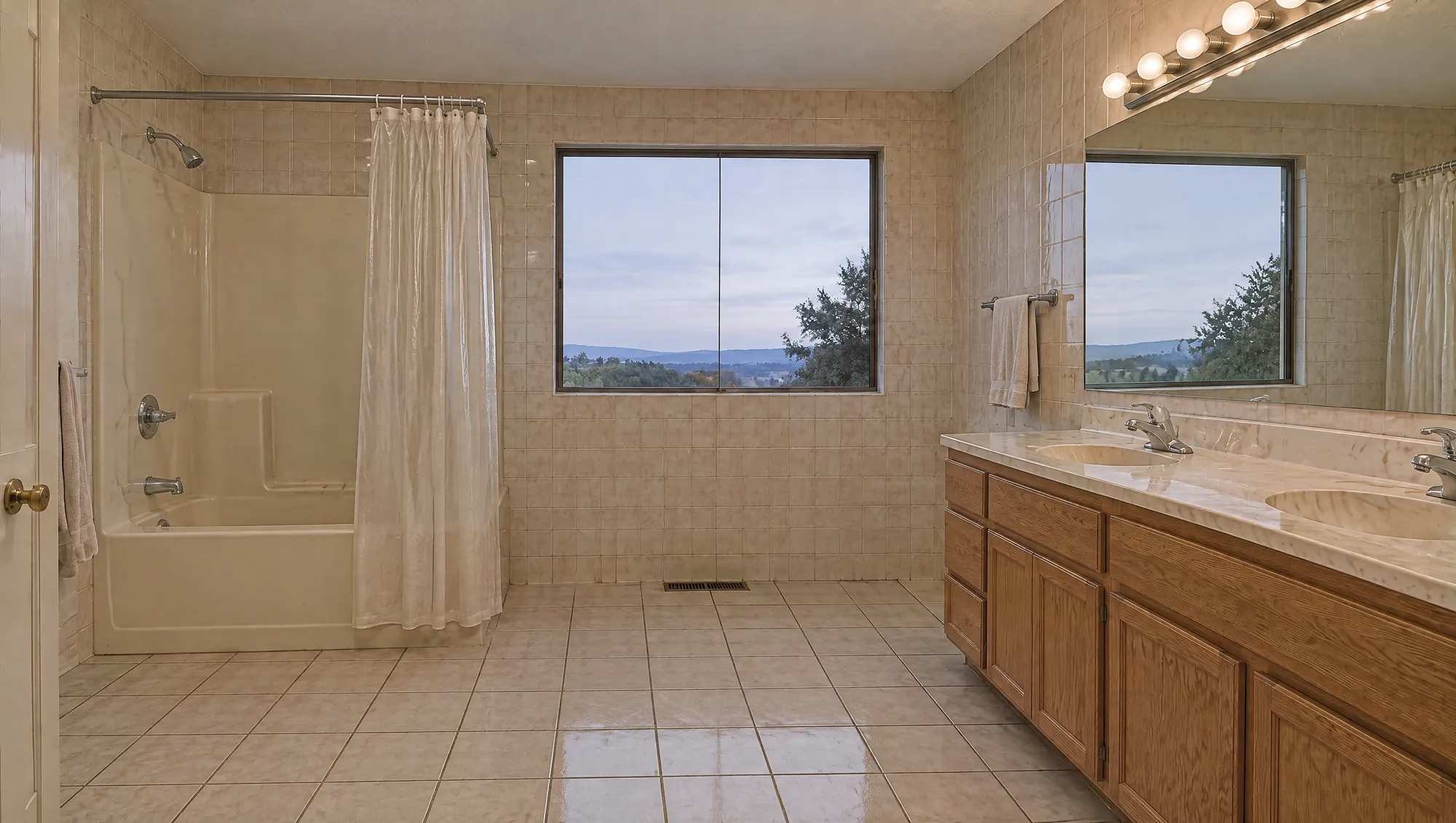
| Before | The original bathroom: dated tile, the fiberglass tub-shower, the old vanity | The first half of every reveal |
| The reveal | The finished room from the exact same angle as the before | Before-and-after ads, your strongest hook |
| Walk-through | A slow pass through the finished bathroom, narrated by you or the designer | Longer ads for warm audiences |
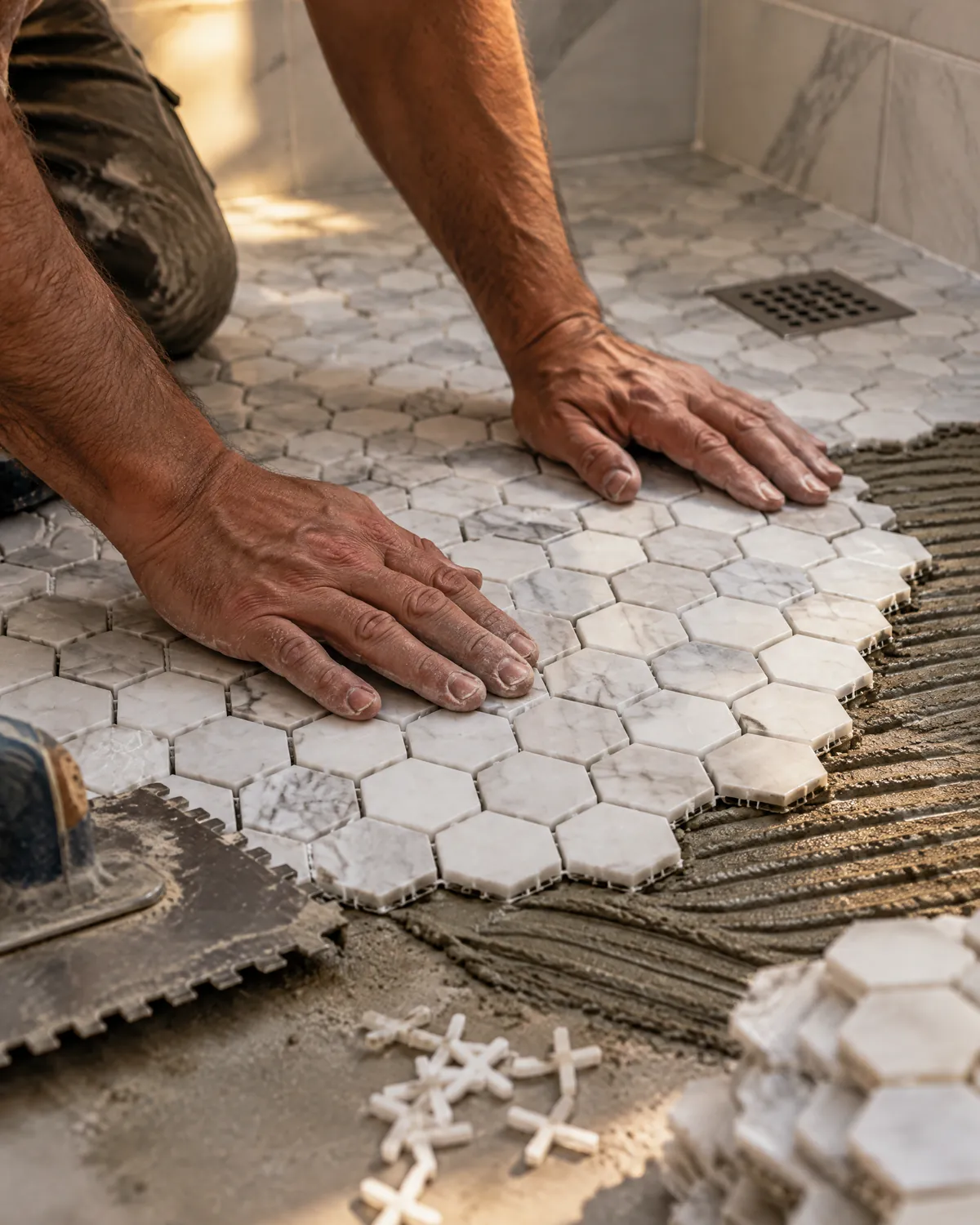
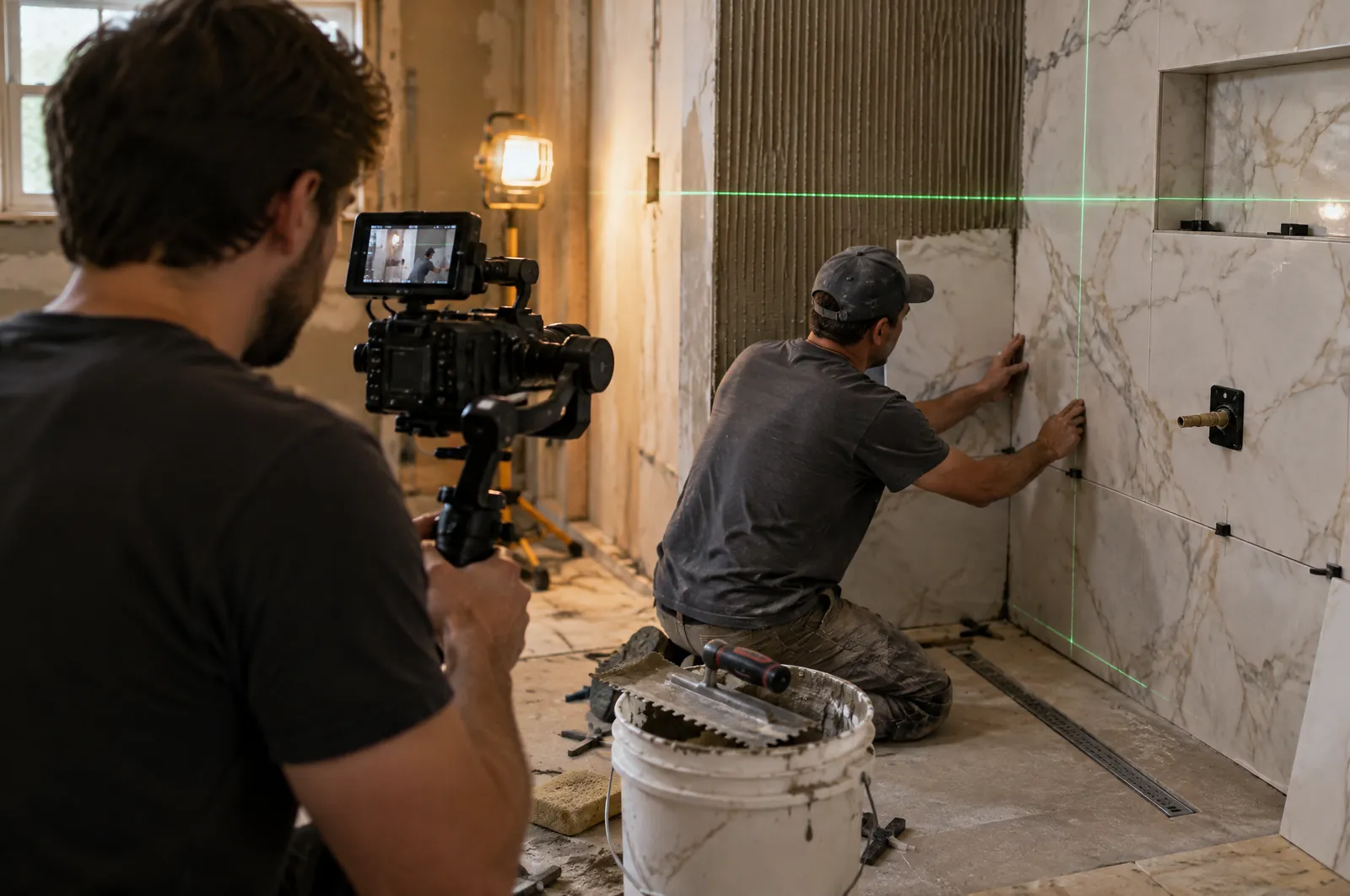
| Craftsmanship B-roll | Large-format tile going up, a niche being set, a linear drain going in | B-roll ads and cutaways |
| Crew at work | Your installers working carefully, floor protection down | Trust cutaways in every format |
| Details that answer objections | Grab bars that look like a design choice, a curbless entry, a bench | Aging-in-place and walk-in shower ads |
| Water test | Water running across the floor to the drain | Wet room and curbless shower hooks |
What should the owner intro say?
The owner intro should tell a homeowner who you are, how you work and why they can trust you in their home, in well under a minute. It’s the one shot no competitor can copy, because it’s you.
- Name and company, on site, with a real job behind you.
- What you do, in plain words: “We turn old tub-showers into walk-in showers,” not “full-service remodeling solutions.”
- One thing that makes you different, like the owner inspecting every finished job or your own installers doing the work.
- The offer, stated simply, with the reason to book now.
- What happens next: “Fill in the short form and we’ll call you to set up a design visit.”
Record it several times, in short takes. You don’t need to memorize a script; talking the way you would to a homeowner at the door usually reads better on camera than a polished read. Record a version for each offer you plan to run this season, so the intro and the ad always match.
How should you shoot for Reels and Stories?
Shoot for vertical first, because most of your placements on Facebook and Instagram will be Reels and Stories. Footage framed only for a wide screen loses the subject when it’s cropped to vertical.
- Frame key shots with the subject centered, so they survive a vertical crop.
- Capture short clips of a few seconds each. Ads are cut from moments, not long takes.
- Record clean audio for the owner intro and walk-through; music covers the B-roll.
- Leave room at the top and bottom of the frame for captions and an offer banner.
How do you turn one shoot day into many ads?
Cut the same footage into many short ads, each with a different hook, length and offer framing. One shoot day can feed weeks of testing because the ad is built in the edit, not on site.
- Before-and-after reveal, 6–15 seconds, opening on the before.
- Owner intro with the offer on screen.
- Craftsmanship cut: tile, niche, drain, set to music with a caption.
- Walk-through, 30–60 seconds, for homeowners who already engaged with an ad.
- Objection-specific cuts: “will it look institutional?” for walk-in showers, “how long will my bathroom be out of commission?” for conversions.
- Hook variations: the same middle and end with five different opening seconds.
Then let the data pick the winners. Run the cuts on a 3-day data window and keep the ones that book appointments, as explained in how to test Meta ads for a remodeling company.
When is a professional videographer worth it?
Bring in a professional videographer once you know which offer and angles work. Phone footage and creator-style video are fine for testing; professional filming pays off when you’re making the ads you’ll scale.
That’s the order of the testing ladder: proven formats on launch day, UGC-style video with an offer banner, custom ads from your own footage, then a videographer for your top creative. Spending on production before you know what homeowners respond to is how remodelers end up with a beautiful video that doesn’t book anything.
What mistakes should you avoid?
- Filming only the finished room. Without the before, there’s no reveal.
- A messy job site on camera. Floor protection, clean tools and tidy crews are part of what you’re selling.
- Long intros. If the first second doesn’t stop the scroll, nothing after it gets seen.
- No offer. A great video still needs a reason to book now. Put the offer on screen.
- One video, run forever. Ads wear out. A content plan by season keeps fresh creative coming.
Video is one piece of the system. It still needs a qualifying lead form and fast follow-up to turn views into demos, as covered in Facebook ads for bathroom remodelers.
Key takeaways
- Plan each shoot around one offer and the season, not whatever job is on the schedule.
- Film the before and the reveal from the exact same angle.
- Capture an owner intro, a walk-through, craftsmanship B-roll and objection-answering details.
- Shoot vertical-first and cut one day into many short ads with different hooks.
- Hire a videographer after cheaper formats have shown which angles book appointments.